Print Binding in Loch Lomond, VA

Professional Documents That Actually Work

Your reports, presentations, and manuals deserve binding that holds up to real use. No more pages falling out during important meetings or training sessions.
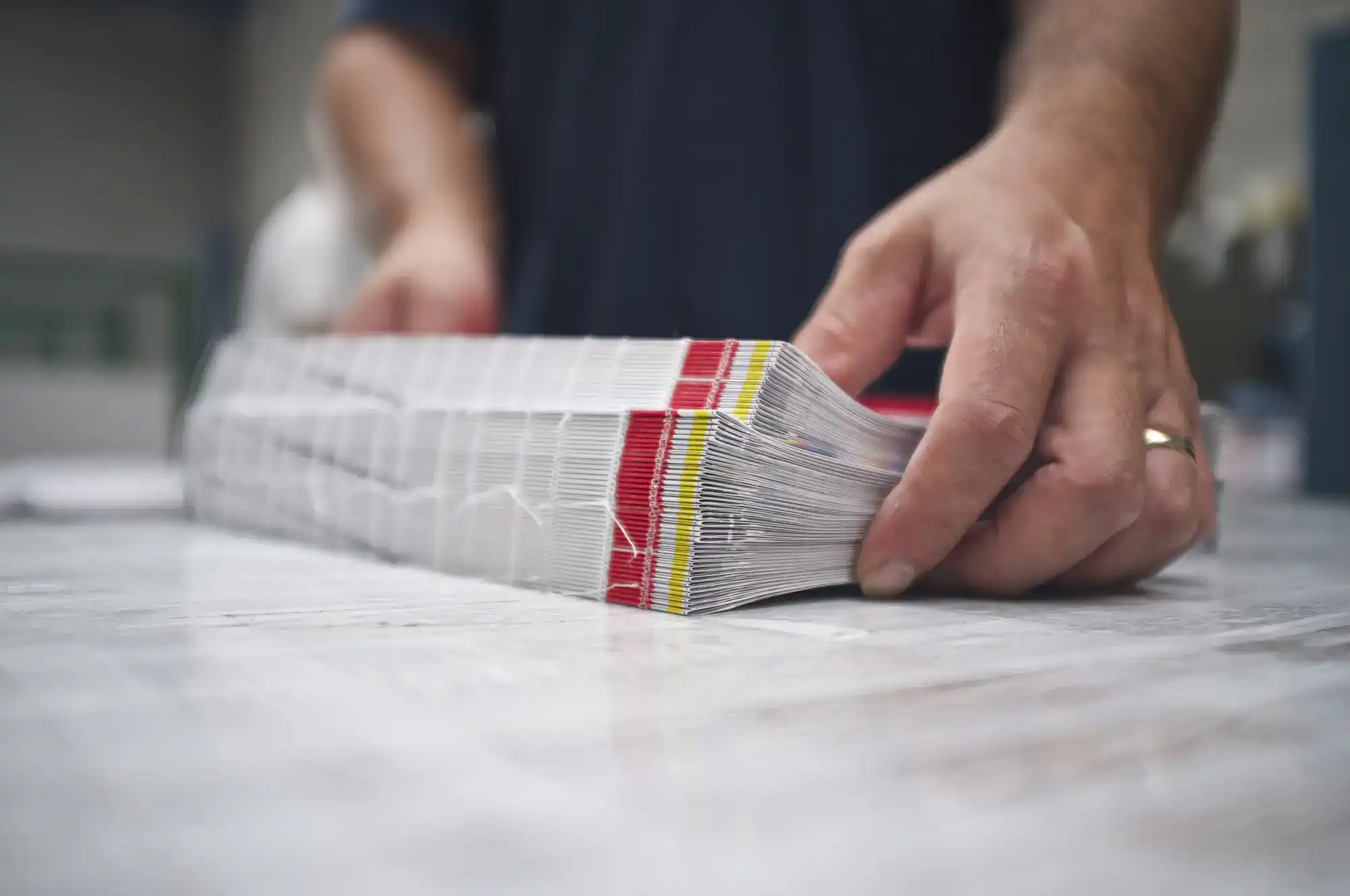
Close-up of hands stacking or aligning a bundle of printed brochures or booklets with colorful edges on a table.

Hear from Our Customers

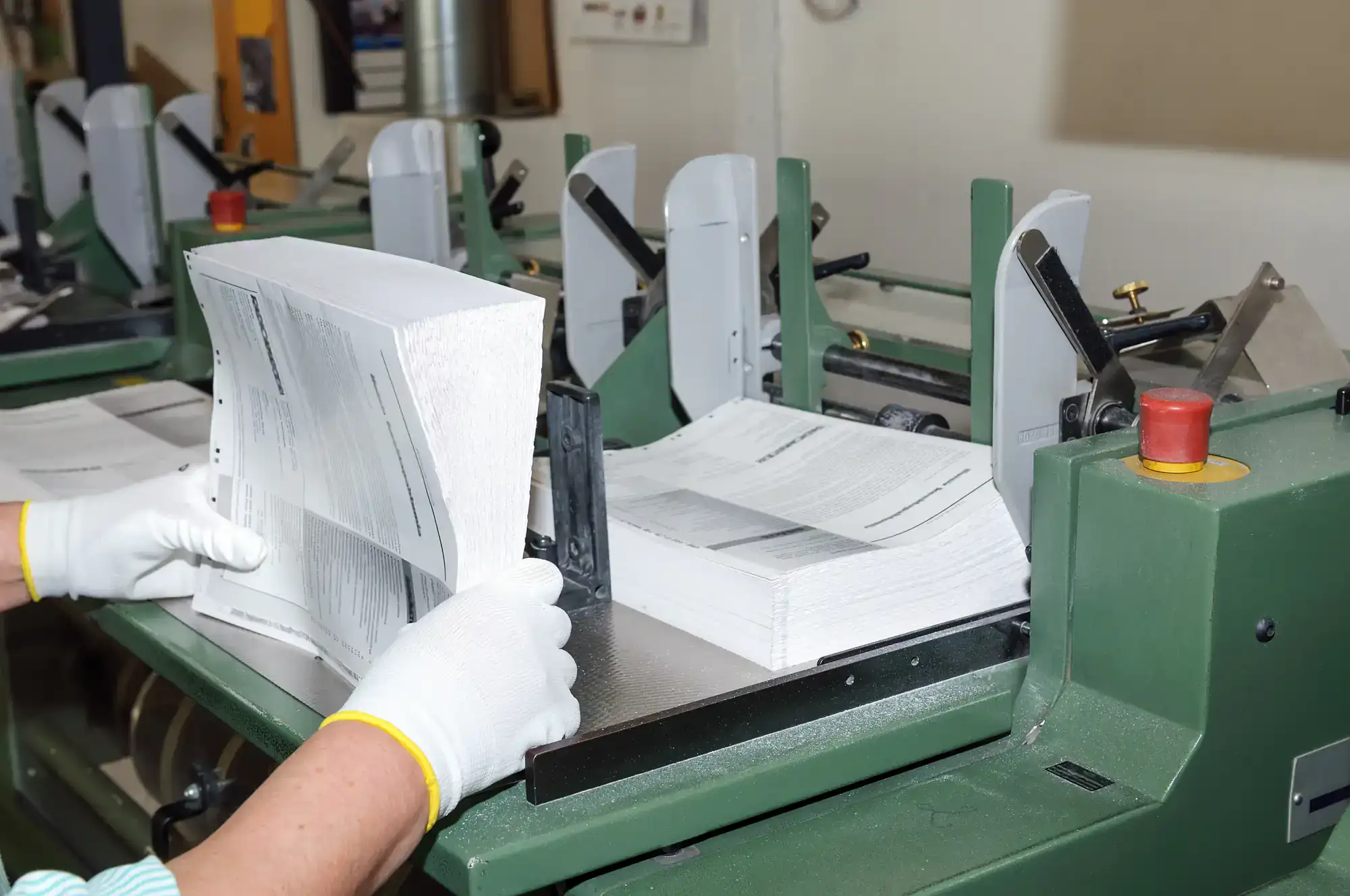
A person wearing gloves handling a stack of printed sheets on a green industrial printing or binding machine in a production setting.

Document Binding Services Loch Lomond

Documents That Lay Flat and Stay Together

When your binding works right, everything else gets easier. Your training manuals stay open to the right page. Your proposals look sharp in client meetings. Your classroom materials survive another semester of heavy use.

You get documents that actually function the way you need them to. Pages turn smoothly, content stays visible, and your materials maintain their professional appearance even after months of regular handling.

The difference shows up in the details – presentations that don’t fight you when you’re trying to reference specific sections, manuals that employees can actually use without frustration, and reports that still look credible after being passed around the office.

Professional Print Binding Loch Lomond

Binding Done Right Since 1990

We’ve been handling document binding for Loch Lomond residents and businesses for over three decades. We’ve seen what works and what doesn’t when it comes to keeping your materials together.

Located right in the community we serve, we understand the specific needs of local schools, offices, and organizations. From Prince William County school districts requiring durable classroom materials to local businesses needing professional presentation documents, we’ve handled it all.

Our approach is straightforward – match the right binding method to how you’ll actually use the document. No overselling, no unnecessary upgrades, just reliable binding that does its job.
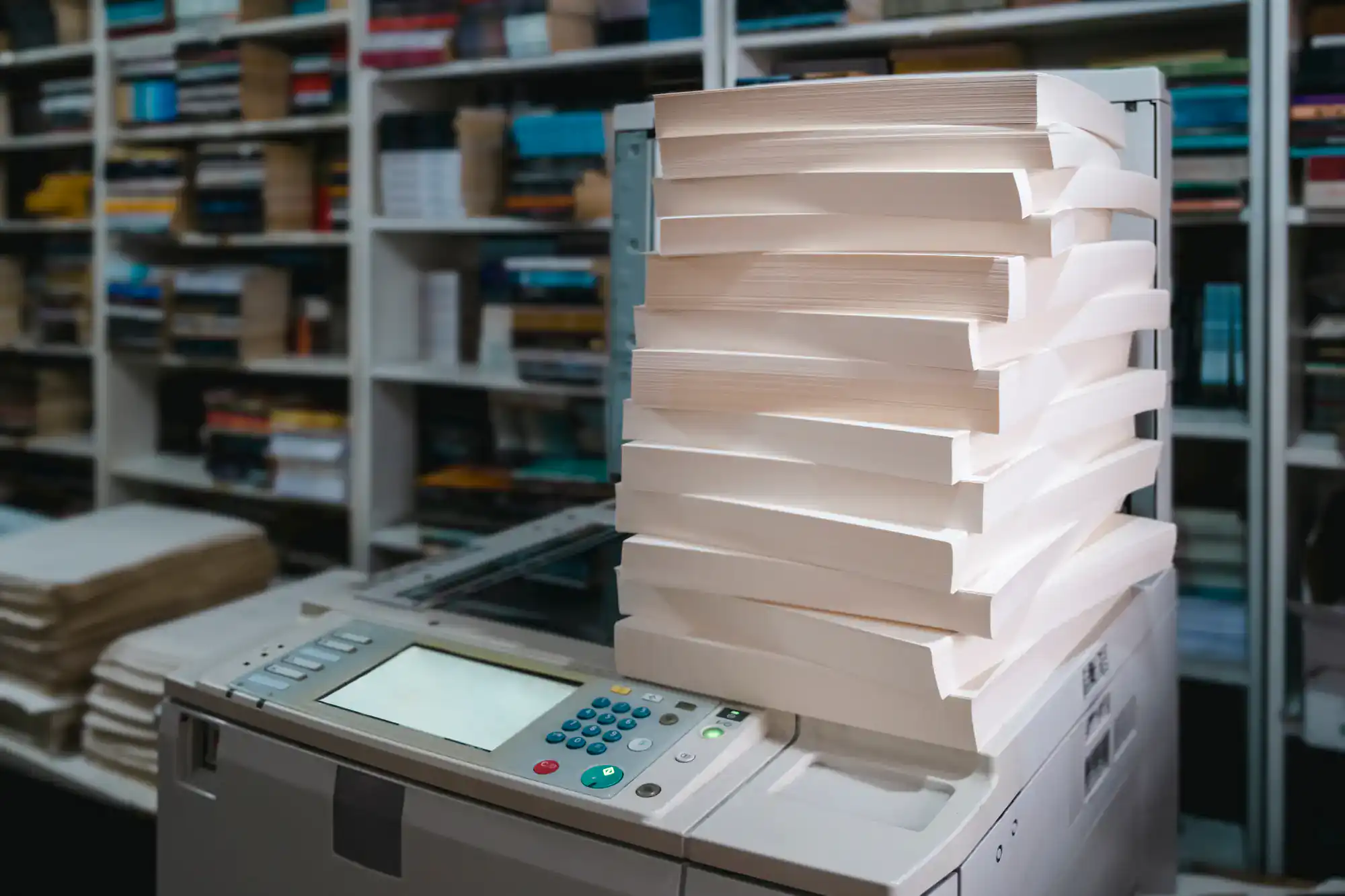
A large stack of paper placed on top of a photocopy machine in a room filled with shelves of books and documents.

Binding Process Loch Lomond VA

Simple Process, Professional Results

You bring in your documents and explain how they’ll be used. Will they need to lay completely flat? Get referenced constantly? Survive classroom use? This determines which binding method makes sense.

Next, we prepare your pages – proper alignment, consistent margins, and the right hole pattern for your chosen binding style. The actual binding happens quickly, but the setup ensures everything lines up correctly.

Finally, we test the finished product. Pages should turn smoothly, the document should open and close properly, and the binding should feel secure without being stiff. You walk out with materials that work the way you need them to.
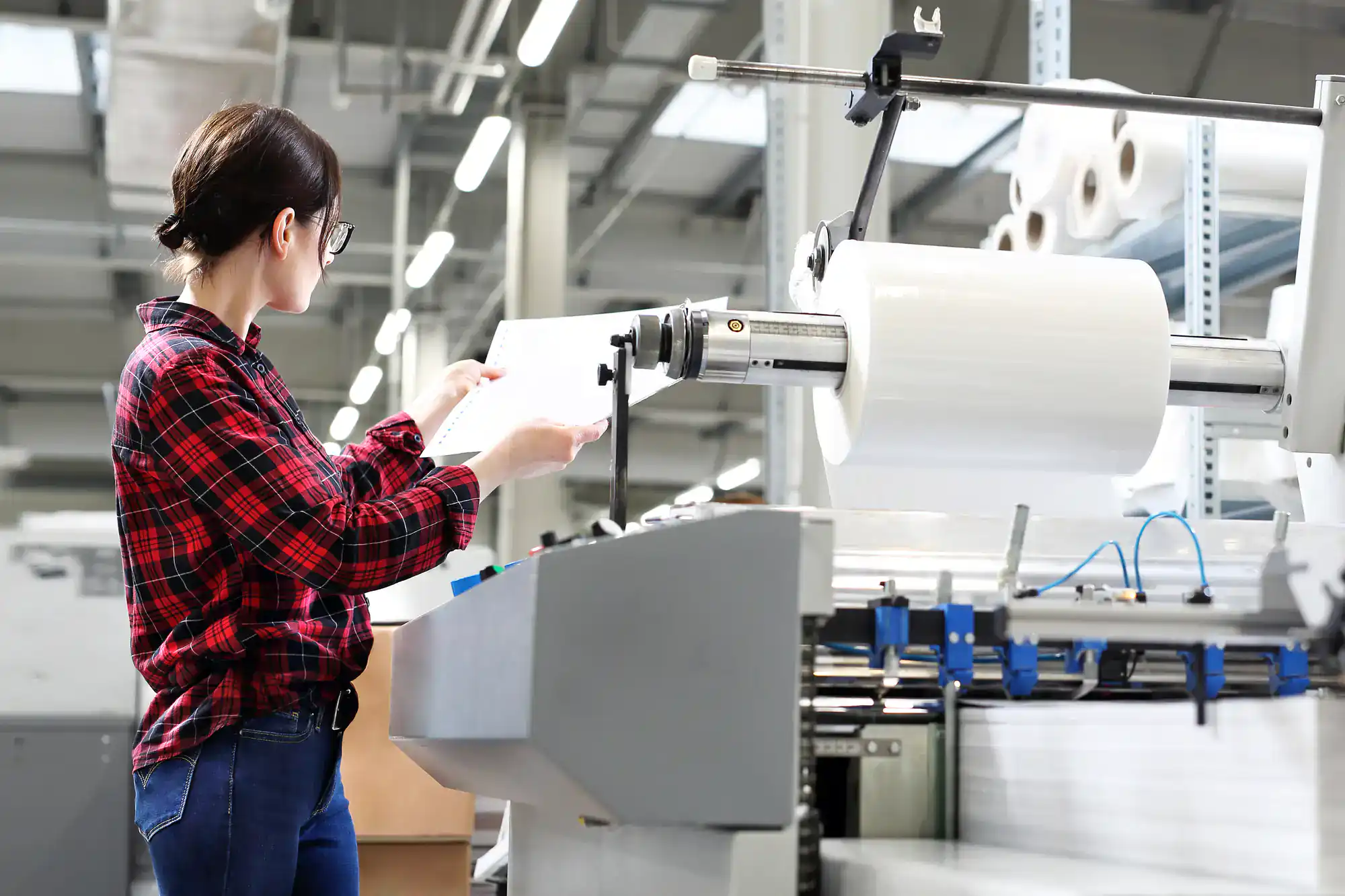
A person in a plaid shirt inspecting a sheet of paper near a large industrial printing machine with a roll of white paper in a factory setting.

Ready to get started?

Explore More School Supplies

Explore More Teacher Supplies

Contact Us Today!

Binding Options Loch Lomond Virginia

The Right Binding for Your Needs

Spiral binding works best for documents you’ll reference frequently – cookbooks, manuals, and training materials. The pages rotate 360 degrees and lay completely flat, making them easy to use in tight spaces.

Wire-o binding gives you the most professional appearance for client presentations, proposals, and formal reports. It’s sturdy, clean-looking, and allows documents to lay flat while maintaining perfect page alignment.

Comb binding handles the heaviest page counts – up to 400 pages – and lets you add or remove pages later if needed. Perfect for reference materials, directories, and documents that might need updates. In Loch Lomond’s educational community, this flexibility proves valuable for teachers and homeschooling families who need to customize materials throughout the school year.
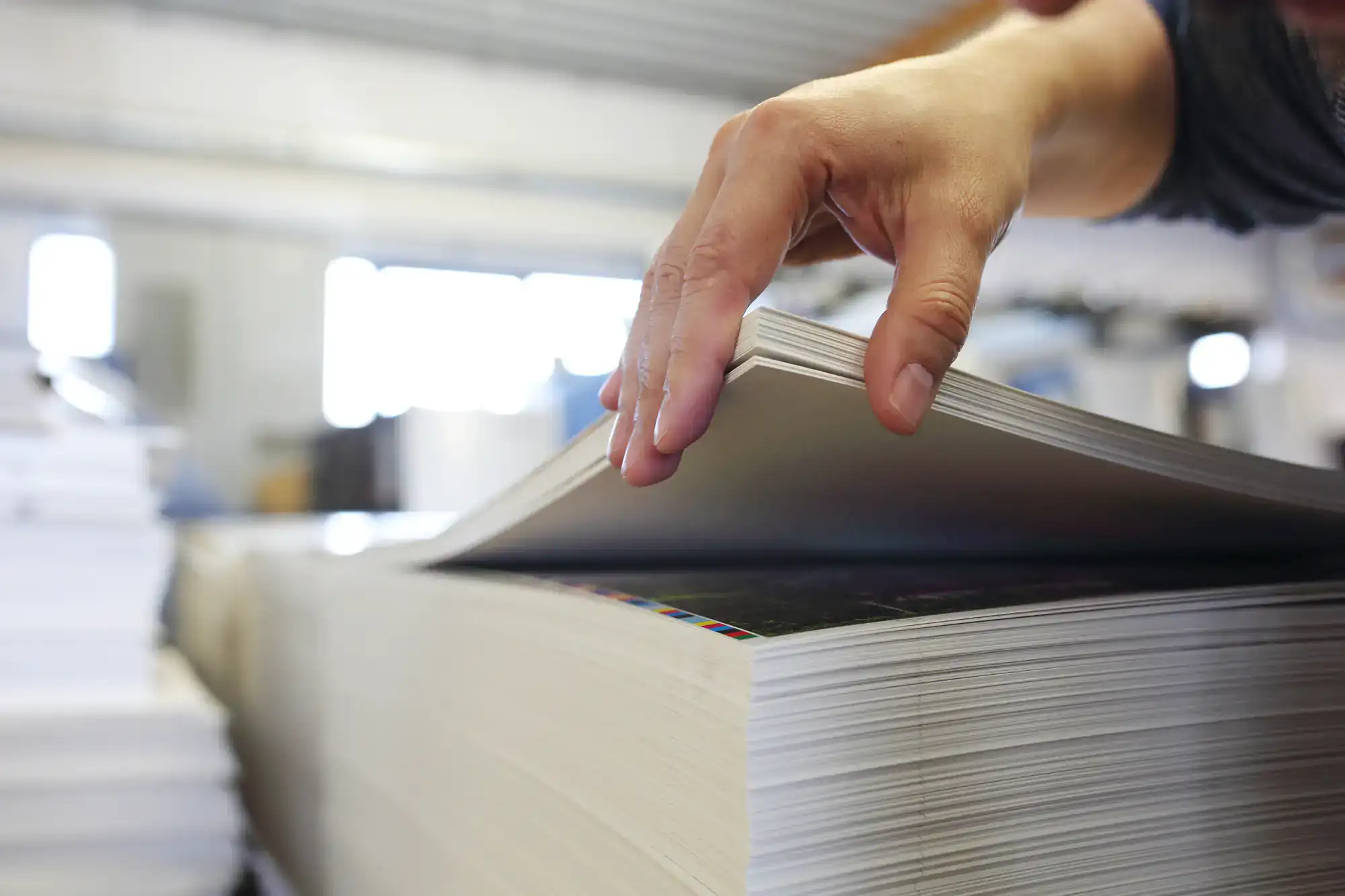
A close-up of a hand lifting the top sheet from a large stack of printed paper in a printing facility.

What's the difference between spiral binding and wire-o binding for my business documents?

Spiral binding uses a continuous plastic or metal coil that allows pages to rotate a full 360 degrees around the spine. This makes it ideal for reference materials, manuals, and documents you’ll use frequently because pages can fold completely back on themselves. Wire-o binding uses double-loop metal wire that creates a more professional appearance. Pages still lay flat, but they maintain perfect alignment – important for presentations and formal business documents where appearance matters. The choice comes down to how you’ll use the document. If durability and functionality matter most, spiral binding typically performs better. If professional appearance is the priority, wire-o binding delivers a cleaner, more formal look that works well in business settings.
Comb binding handles the most pages – up to 400 sheets depending on paper weight. This makes it perfect for thick manuals, directories, and comprehensive training materials that need to stay together through heavy use. Wire-o binding typically maxes out around 200 pages, but it provides the most professional appearance within that range. It’s the go-to choice for business presentations, proposals, and client-facing documents where looks matter. Spiral binding falls somewhere in between, usually handling up to 300 pages effectively. The key advantage is durability – spiral bindings tend to hold up better over time, especially for documents that get handled frequently or stored in bags and backpacks.
Comb binding is the only method that allows easy page additions and removals. The plastic combs can be reopened, letting you insert new pages or remove outdated sections without damaging the binding. Spiral binding and wire-o binding are essentially permanent once installed. If you need to make changes, you’ll need to cut the binding and start over with new materials. This permanence actually makes them more secure for documents that shouldn’t be altered. For documents that might need updates – like policy manuals, training materials, or reference guides – comb binding provides the flexibility you need. For final presentations, reports, or archival materials, the permanence of spiral or wire-o binding ensures nothing gets lost or rearranged accidentally.
Spiral binding dominates in educational settings because it handles the abuse that classroom materials typically endure. Students can fold pages back completely, the binding flexes without breaking, and documents lay flat on desks of any size. The 360-degree page rotation makes spiral binding particularly valuable for workbooks, activity guides, and reference materials where students need to write while keeping the book open. Teachers appreciate that spiral-bound materials stay open to the correct page without requiring constant attention. Comb binding works well for teacher resources and administrative materials that might need updates throughout the school year. The ability to add or remove pages makes it practical for evolving curriculum materials and resource collections that grow over time.
Most binding methods require at least a half-inch margin on the binding edge to avoid cutting into your content. This margin needs to account for both the holes and the space the binding element occupies when installed. The binding edge is typically the left side for portrait documents or the top edge for landscape formats like calendars. Content that’s too close to this edge either gets obscured by the binding or damaged during the hole-punching process. Before finalizing your document layout, consider how the binding will affect readability. Charts, graphs, and important text should stay well clear of the binding area. A good rule of thumb is to keep critical content at least three-quarters of an inch from the binding edge to ensure it remains fully visible and accessible.
Most standard binding jobs can be completed the same day or next business day, depending on the volume and complexity. Simple spiral or comb binding for documents under 100 pages typically takes just a few hours. Larger jobs – like multiple copies of thick manuals or documents requiring special covers – might need 2-3 business days. Wire-o binding sometimes takes slightly longer because of the precision required for proper alignment and finishing. Rush jobs can often be accommodated for an additional fee, especially for business presentations or time-sensitive educational materials. The key is communicating your deadline upfront so the work can be scheduled appropriately. During busy periods like back-to-school season, allowing extra time ensures your materials are ready when you need them.